January 2010

Rigoletto

Rigoletto

Atto TERZo
SCENA II

Detti e il Duca, che, in assisa di semplice ufficiale di cavalleria, entra nella
sala terrena per una porta a sinistra.

GILDA: (trasalendo)
Ah padre mio!

DUCA: (a Sparafucile)

Due cose, e tosto...

SPARAFUCILE:
Quali?

DUCA:
Una stanza e del vino...

RIGOLETTO:
Son questi i suoi costumi!

SPARAFUCILE:
Oh il bel zerbino!
(entra nell'interno)

DUCA:
La donna è mobile
qual piuma al vento,
muta d'accento e di pensiero.
Sempre un amabile

leggiadro viso,
in pianto o in riso, è menzognero.
È sempre misero
chi a lei s'affida,
chi le confida mal cauto il core!

Pur mai non sentesi
felice appieno
chi su quel seno non liba amore!

(Sparafucile rientra con una bottiglia di vino e due bicchieri che depone
sulla tavola, quindi batte col pomo della sua lunga spada due colpi al soffitto.
A quel segnale una ridente giovane, in costume di zingara, scende a salti la
scala. Il Duca corre per abbracciarla, ma ella gli sfugge. Frattanto Sparafucile,
uscito sulla via, dice a parte a Rigoletto)

SPARAFUCILE:

È là il vostr'uomo... viver dee o morire?

RIGOLETTO:
Più tardi tornerò l'opra a compire.

(Sparafucile si allontana dietro la casa lungo il fiume)

Activities of the Industrial Climber

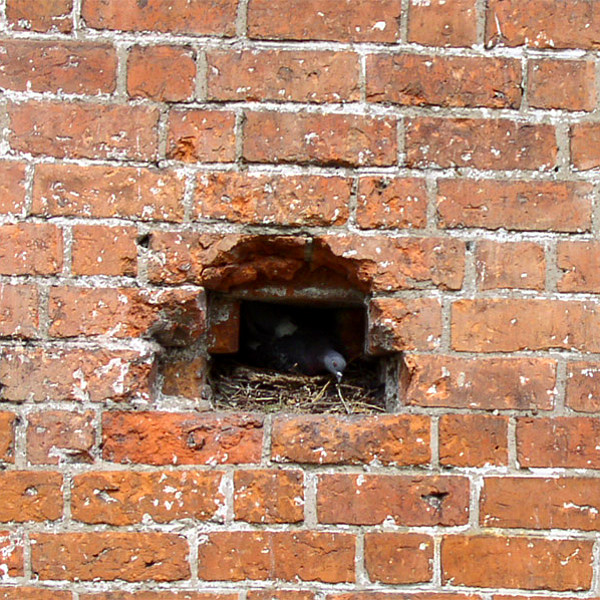
pigeon

Commercial climbers are not only used for the renovation of buildings, they are found also in the facade cleaning and window cleaning to areas which have more to do with the cleaning, as with the repair of houses. Also in the Taubenabwehr the commercial climbers are used. In many cities, pigeons are a real nuisance and to prevent further spread of the animals, nests must be removed and the building secured so that a nest is not possible. Industrial climbers take the necessary steps to make it impossible for the animals an enjoyable stay in the buildings. Last, it should be called the tree service, used in industry can be climbers. Here they make pruning and ensure that the road can be threatened by hanging or dead branches, for example of street trees.

Little Housing Crisis on the Prairie

"It sounds wonderful," Ma said politely in her gentle voice. "And what will our rate be after the introductory period, Mr. Edwards?"

"That depends on those scoundrels in Washington!" Mr. Edwards declared hotly.

"Pa, how much will we pay for the house?" Mary asked.

"What we pay doesn't matter much, Mary," Pa explained. "At 1.5 percent interest, we can easily service the debt on the principal."

Laura was confused. "But when do we pay off the principal, Pa?" she asked.

"She's got you there, Edwards!" Pa laughed. "What about that principal?"

"Those are two mighty smart daughters you have there, Ingalls," Mr. Edwards said admiringly. "Well, it's pretty simple. Your loan will reamortize every 60 months. The minimum payment will be recalculated at that time, but your rate will vary annually according to the then-current prime lending rate. Of course, your regular rate and payment resets will continue to apply, but these will be capped at— Look! A jackrabbit!"

"Good game surely is plentiful in this country," Pa observed.

-- Susan Schorn's "Little Housing Crisis on the Prairie" at McSweeney's